Why Ride a Bike in Chicago: The Five Reasons the Bike Station Gave in 2013, Updated
The Millennium Park bike station gave five reasons to ride in Chicago in 2013. Here is each one, checked against today's city, health and cost figures.
Chicago rewards riders with a network of more than 500 miles of bikeways, an 18-mile Lakefront bike trail and a Divvy day pass at $19.90.1,2,3 The Millennium Park bike station gave five reasons in 2013: health, time, money, fun and a cleaner planet.4 Current figures support each one.
- At a glance
- Lakefront bike trail
- 18 miles, Ardmore Ave. to 71st St.2
- Shared bike and scooter trips, 2025
- 12.9 million, a record5
- Cost of owning a new car, 2025
- $11,577 on average6
- Divvy day pass
- $19.903
Prices from Divvy, checked 2026-10-19.
On this page
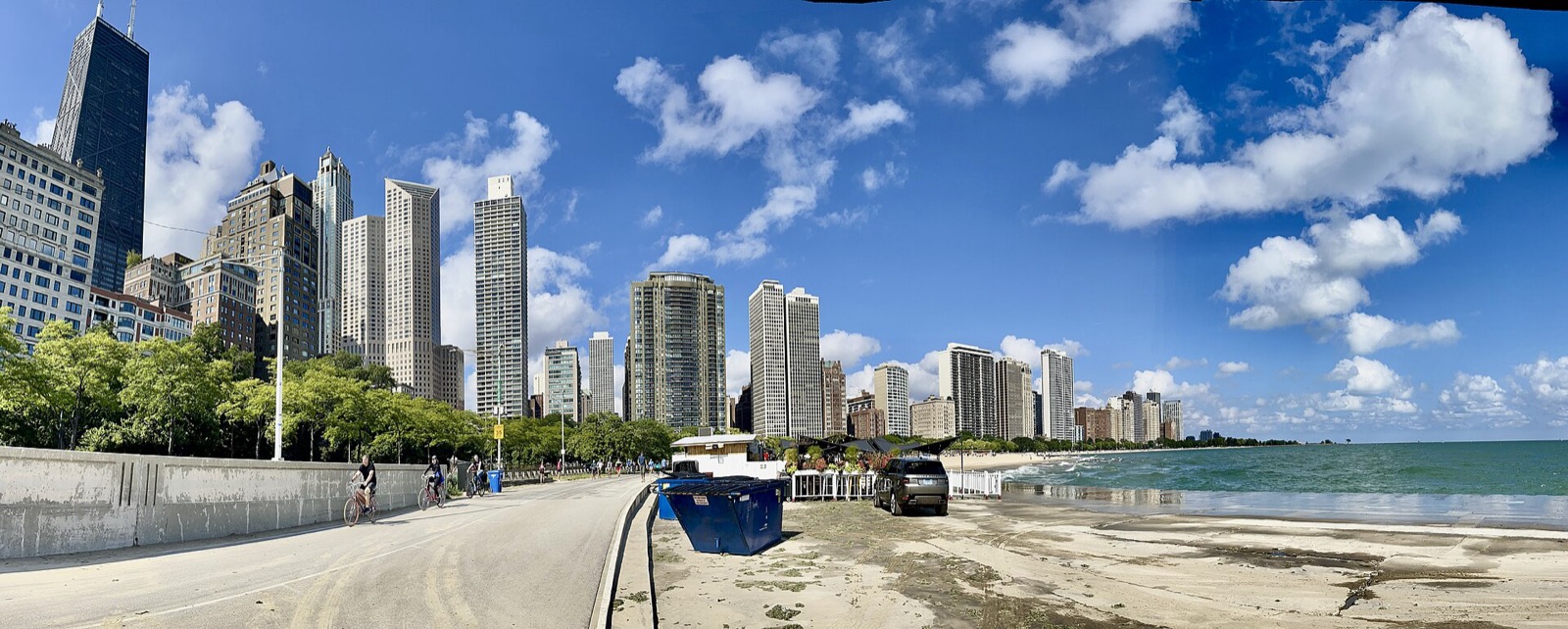
The old chicagobikestation.com opened its home page with a list. Biking, it said, would keep a rider fit, save time and money, make the city fun and spare the planet.4 That list is a 2013 record of the pitch behind the Millennium Park bike station. This page keeps each of the five claims and checks it against what Chicago and public agencies publish now. The station itself is covered in the station hub.
1. Health and fitness
In 2013 the page called biking a great cardiovascular workout that does wonders for circulation and muscle tone, and it said exercise is easier to maintain when it sits inside a daily routine.4 It added that commuting by bike could save a trip to the gym.4
Northwestern Medicine agrees on the substance. It lists improved cardiovascular health, increased muscle strength and endurance, support for weight management, improved balance and coordination, and help with stress, anxiety and depression.7 Biking to work for 30 minutes burns about 300 calories on average.7 Casual and serious riders get the same health benefits.7
2. Time
The 2013 page said biking is often faster than driving and that a rider wastes no time looking for parking.4 Chicagoans now ride shared bikes at scale: they took 12.9 million trips on shared bikes and scooters in 2025, the highest total on record.5 Divvy alone logged 6.8 million rides, its best year.5
3. Money
The 2013 page listed what a bike saved: gas, insurance, tickets and headaches.4 AAA’s 2025 study puts the average cost to own and operate a new car at $11,577, $719 less than in 2024.6 That figure is averaged over five years and 75,000 miles.6
A Divvy annual membership is $143.90 a year, or $99 in a limited offer for new members, and a day pass is $19.90.3 See Divvy pricing for how the plans compare.
4. Fun, and where to ride
In 2013 the page called Chicago a beautiful city to bike, with more than 120 miles of bike lanes.4 The city’s current count is higher: over 500 miles of bikeways, still growing.1 The two numbers are not like for like, because the page counted lanes and the City now counts bikeways of every type.
The network is changing in character. Eighty-five percent of planned projects are protected bike lanes and neighborhood greenways.1 More than half of the network’s expansion has been on the South and West sides.1
The Lakefront Trail remains the headline. Since 2018 it has been split into an 18-mile bike trail and an 18.5-mile pedestrian trail, running from Ardmore Avenue on the north to 71st Street on the south.2 The Park District describes a mix of commuters, marathon trainers, caregivers with strollers, tourists on rental bikes and people out for a stroll.2 For routes, start with the Lakefront Trail guide and biking in Chicago for first-timers.
5. The planet
The 2013 page said bicycles do not use fossil fuels, cause ozone depletion or emit deadly pollutants.4 The U.S. Environmental Protection Agency explains why the contrast matters: over 94% of the fuel used for transportation is petroleum based, and transportation is the largest source of direct greenhouse gas emissions.8
What changed since 2013
The bike station that made this pitch opened in 2004 with parking for up to 300 bikes and closed in 2022.9 The pitch outlived it: the City counts over 500 miles of bikeways, and shared bike and scooter trips set a record in 2025.1,5 For commuters, the next step is the bike commuting guide; for the building’s own story, read its history.
Read next
McDonald's Cycle Center History: Chicago's Millennium Park Bike Station
How Chicago built the Millennium Park bike station in 2004, named it for McDonald's in 2006, handed it to Shift Transit in 2021 and closed it in 2022.
visitBiking in Chicago for First-Timers: Where to Ride, Rent and What to Know
A first-timer's guide to biking in Chicago: the Lakefront Trail, bike lanes, Divvy and rental prices, and the Illinois rules every rider follows.
routesChicago Lakefront Trail: Length, Access, Sights and Where to Start
The Lakefront Trail runs 18 miles along Lake Michigan from Ardmore to 71st Street. Where to start, what you pass, how long it takes, and current repairs.
Questions people ask
Is Chicago a good city for biking?
Yes. The city counts over 500 miles of bikeways, 85% of planned projects are protected lanes or neighborhood greenways, and riders took a record 12.9 million shared bike and scooter trips in 2025.1,5
What are the main benefits of biking in Chicago?
Better cardiovascular health, lower transportation costs, and car-free routes such as the 18-mile Lakefront bike trail. The Millennium Park bike station listed health, time, money, fun and the environment in 2013.7,6,2,4
How much does it cost to own a car compared with riding a bike?
AAA puts the average cost to own and operate a new car at $11,577 in 2025. A Divvy annual membership costs $143.90, and a day pass costs $19.90. The two figures cover different uses.6,3
Does biking to work burn calories?
Yes. Northwestern Medicine says biking to work for just 30 minutes burns an average of about 300 calories. It also lists cardiovascular health, muscle strength and stress relief among the benefits.7
How long is the Lakefront Trail?
The Lakefront bike trail is 18 miles, running from Ardmore Avenue on the north to 71st Street on the south. A separate 18.5-mile pedestrian trail runs beside it, as of the 2018 separation project.2
Sources
- Bikeways ProgramGOV
City of Chicago, CDOT · chicago.gov · checked 2026-10-19 - Lakefront TrailGOV
Chicago Park District · chicagoparkdistrict.com · checked 2026-10-19 - Plans & PricingOPERATOR
Divvy · divvybikes.com · checked 2026-10-19 - Home (archived page)ARCHIVE 2004–14
chicagobikestation.com (2004–2014 archive) · web.archive.org · checked 2026-10-19 - Mayor Brandon Johnson Announces New Record Of Nearly 13 Million Shared Bike And Scooter Trips In 2025GOV
City of Chicago, Office of the Mayor · chicago.gov · checked 2026-10-19 - Your Driving Costs 2025NONPROFIT
AAA · newsroom.aaa.com · checked 2026-10-19 - The Health Benefits of Cycling
Northwestern Medicine · nm.org · checked 2026-10-19 - Sources of Greenhouse Gas EmissionsGOV
U.S. Environmental Protection Agency · epa.gov · checked 2026-10-19 - McDonald's Cycle CenterREFERENCE
Wikipedia · en.wikipedia.org · checked 2026-10-19
Photo credits (1)
- TheWxResearcher / Wikimedia Commons · CC0 · source

Laws are quoted from Illinois statute and the Chicago Municipal Code; prices from each operator on the date shown. Editorial policy · Corrections.