Bike Commuter Benefits: The Tax Break Is Gone, the Transit Benefit Is Not
The federal bicycle commuter tax exclusion ended after 2025. What it paid, what the IRS allows now, and the Illinois pre-tax transit rule for Chicago.
No. Federal law no longer lets employers reimburse bike commuting tax-free. Public Law 119-21 permanently eliminated the exclusion for tax years beginning after 2025. Pre-tax benefits remain for transit passes and parking, up to $340 a month each in 2026. In Chicago, many employers must also offer pre-tax transit.1,4
- At a glance
- Bike reimbursement
- Exclusion ended for tax years after 20251
- Old limit
- $20 per qualified bicycle commuting month, 2017 rules2
- Transit and parking, 2026
- $340 a month each1
- Illinois mandate
- Employers with 50+ covered employees, since Jan. 1, 20244
- Ventra program
- Free to employers; covers CTA, Pace and Metra5
On this page
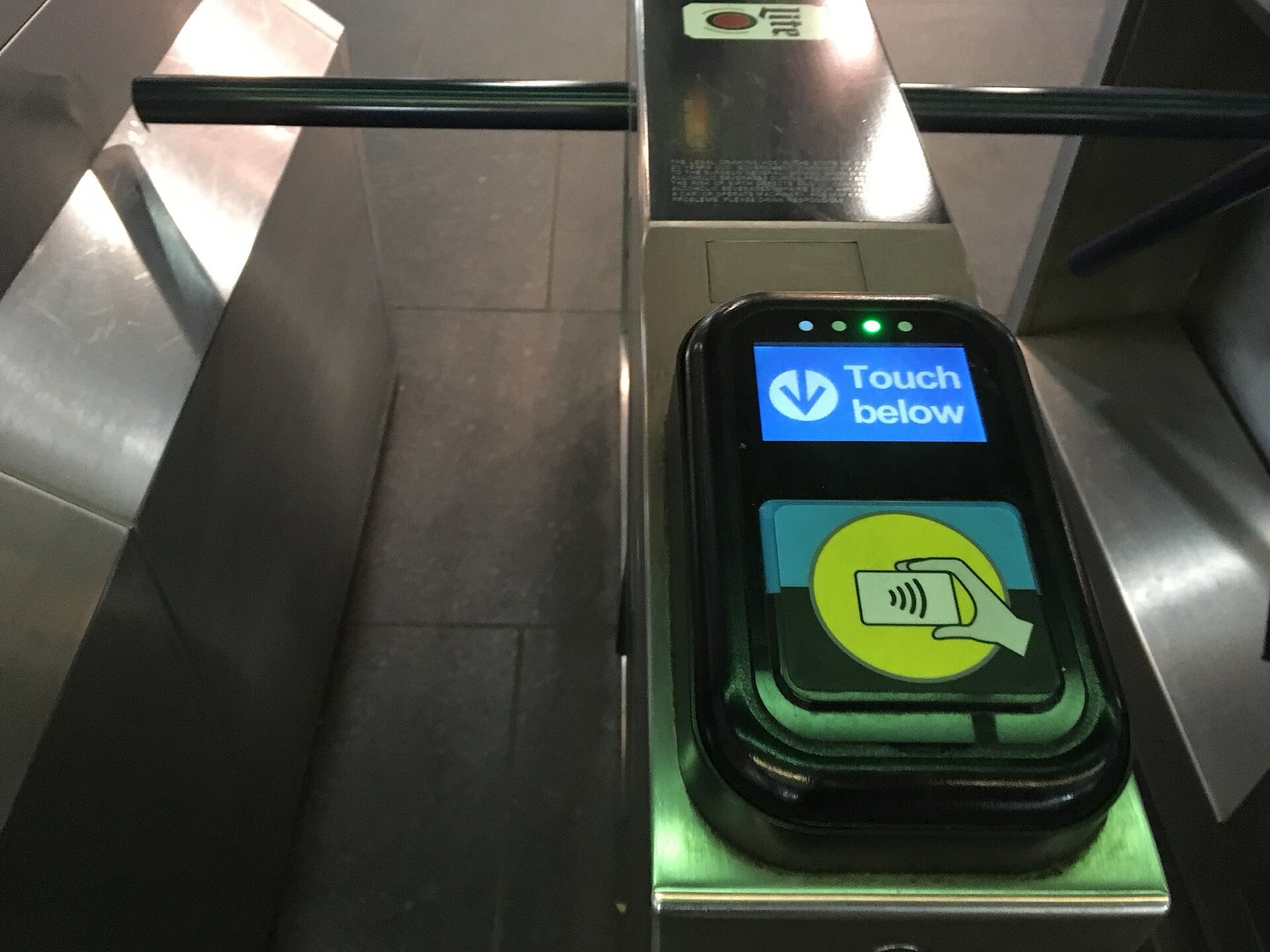
For years a bike commuter could ask an employer for a small tax-free payment. That is over. The part of the system that survives is aimed at transit riders, and Illinois adds a requirement for many Chicago employers.
What ended
Public Law 119-21, the One Big Beautiful Bill Act, was signed on July 4, 2025. It eliminated the bicycle commuter benefit.3 The IRS puts the effect precisely: the exclusion of qualified bicycle commuting reimbursements from an employee’s income is permanently eliminated for tax years beginning after 2025.1
The exclusion was already dormant. Public Law 115-97 suspended it for any tax year beginning after 2017 and before 2026.1 Congress had created it in 2009 to give bike riders parity with drivers and transit users.3 PeopleForBikes continues to push the Bicycle Commuter Act, which would reinstate and expand it.3 Until that passes, there is no federal tax break for bike commuting.
What it used to pay
The 2017 IRS rules show how small the benefit was. An employer could exclude $20 for each qualified bicycle commuting month in a calendar year.2 Transit passes and parking each carried a $255 monthly limit that year.2
Reasonable expenses included buying a bicycle, plus improvements, repair and storage.2 The bike had to be used regularly for travel between home and work.2 Reimbursement could cover costs incurred during the year and paid within a 15-month window.2
The exclusion had catches. It was not available in a month when the employee received any other qualified transportation benefit.2 It could not be provided in place of pay.2 A self-employed individual was not an employee for this purpose.2
What the IRS still allows
The federal pre-tax benefits for transit and parking remain. For 2026 the monthly exclusion is $340 for qualified parking and $340 for commuter vehicle rides and transit passes.1 Transit means bus, rail or ferry.1 Qualified parking is parking at or near the workplace, not near the employee’s home.1
A compensation reduction agreement is one way to provide the benefit: employees choose between cash and the benefit on a pre-tax basis.1 Employers cannot deduct the cost of qualified transportation benefits paid after 2017.1
A bike commuter who also rides the train or bus can still use the transit side.
The Illinois rule for Chicago
Illinois adds a mandate of its own. The Transportation Benefits Program Act took effect January 1, 2024.4
| Element | Requirement |
|---|---|
| Covered employer | Located in a listed area, including Cook County4 |
| Size | 50 or more covered employees at an address4 |
| Distance | Within one mile of fixed-route transit4 |
| Covered employee | Averages at least 35 hours a week4 |
| Benefit | Pre-tax payroll deduction for a transit pass4 |
| Start | First full pay period after 120 days of employment4 |
An employer may comply through a program run by the CTA or the Regional Transportation Authority.4 The Ventra program is free for employers, and the CTA says it funds rides on CTA, Pace and Metra.5 The CTA says employees can save up to 40% a month on commuting costs, and employers almost 8% on FICA and unemployment tax.5 Employers can subsidize at a level of their choice, or let employees set aside pre-tax pay.5
The Act’s benefit is a pre-tax payroll deduction for a transit pass.4 It also makes transit agencies market the program to riders, and it lets a bona fide collective bargaining agreement waive the requirement, but only explicitly.4 The RTA must publish a searchable map of addresses within one mile of fixed-route transit, so an employer can check whether it is covered.4
What this means for you
Check what your employer offers before you buy a bike on the assumption of a refund. Do not expect a tax-free bike reimbursement for 2026, because the exclusion ended for tax years beginning after 2025.1 Employers that want riders have other tools, laid out in why employers should promote bike commuting.
For commuters, the practical move is to use the transit benefit on days you cannot ride, and to look at bike parking downtown for the days you can. The Chicago bike commuting guide and the commuting hub cover the rest.
Read next
Why Employers Should Promote Bike Commuting
The case for employers to back bike commuting: sick-day data, long-term health, morale, and the tax change ending tax-free bike reimbursements.
commutingBike Commuting in Chicago: A Beginner's Guide
How to start commuting by bike in Chicago: the network, where to ride, the lighting rule, a pre-ride check, and how to combine the bike with CTA.
commutingBike Parking Downtown Chicago: Racks, Corrals and Locking
Where to park a bike downtown: city racks and corrals, CTA station parking, how to lock, and why the Millennium Park indoor bike station is gone.
Questions people ask
Is bicycle commuting reimbursement taxable?
Yes. For tax years beginning after 2025, P.L. 119-21 permanently eliminates the exclusion of qualified bicycle commuting reimbursements from an employee's income. The exclusion was suspended for tax years after 2017 and before 2026.1
Can you use commuter benefits to buy a bike?
No. The pre-tax benefit in federal law covers transit passes, commuter vehicle rides and parking. The old bike reimbursement was a separate exclusion. It reached bike purchases, repairs and storage but ended after 2025.1,2
How much did the bike commuter benefit pay?
Under the 2017 IRS rules, employers could exclude $20 for each qualified bicycle commuting month in a calendar year. That was far below the $255 monthly limits then set for transit and parking.2
Sources
- Publication 15-B (2026), Employer's Tax Guide to Fringe BenefitsGOV
Internal Revenue Service · irs.gov · checked 2026-10-19 - Publication 15-B (2017), Employer's Tax Guide to Fringe BenefitsGOV
Internal Revenue Service · irs.gov · checked 2026-10-19 - Congress Drops Tax Benefit for Bicycle CommutersNONPROFIT
PeopleForBikes · peopleforbikes.org · checked 2026-10-19 - Public Act 103-0291, Transportation Benefits Program Act (via Wayback)GOV
Illinois General Assembly · ilga.gov · checked 2026-10-19 - Pre-tax transit benefitsGOV
Chicago Transit Authority · transitchicago.com · checked 2026-10-19
Photo credits (1)
- Eric Fischer / Wikimedia Commons · CC BY 2.0 · source

Laws are quoted from Illinois statute and the Chicago Municipal Code; prices from each operator on the date shown. Editorial policy · Corrections.